Updated October 10, 2026 · By CharredPicks editors
How to Choose the Best Wood for Smoking Bacon



How to Choose the Best Wood for Smoking Bacon
Affiliate disclosure: CharredPicks earns from qualifying purchases.
Hickory is the classic answer for smoking bacon, and it earns that reputation. But apple and cherry woods produce bacon with a sweeter, milder smoke that many home curers prefer. The short version: hickory for bold and traditional, apple or cherry for something more refined. Mix them and you get the best of both. Here's how to work through the decision and nail the smoke every time.
What You'll Need
- Cured pork belly (home-cured or pre-brined), ready for the smoker
- A smoker or grill capable of holding 175-225°F
- Instant-read thermometer (pull bacon at 150°F internal)
- One of the following wood options depending on your setup:
- Pellet smokers: CookinPellets Perfect Mix (40 lb, $38.99) blends hickory, cherry, hard maple, and apple into one bag. It's the single easiest way to get a complex, balanced smoke flavor without buying four separate bags.
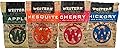
- Chips for gas or electric smokers: Western BBQ Smoking Wood Chips Variety Pack ($27.99) gives you apple, mesquite, hickory, and cherry to experiment with side by side.
- Offset or charcoal smokers using logs: Old Potters Kiln Dried Hickory Firewood ($32.99) for log-burning setups.
- Chunks for charcoal or barrel smokers: Old Potters Hickory Smoking Wood Chunks ($29.99) burn slower and more evenly than chips.
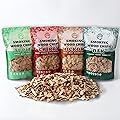
- Chips for variety testing: Smoking Wood Chips Variety Pack with Apple, Cherry, Hickory, and Oak ($34.96) is a solid option if you want to run comparison smokes.
Step-by-Step Guide
Step 1: Understand what each wood actually does to bacon
Before you load anything into the firebox, know what you're working with. Bacon fat absorbs smoke aggressively compared to leaner cuts. That means wood that tastes pleasant on a pork shoulder can turn harsh and bitter on bacon if you overdo it.
Here's how the main contenders shake out:
- Hickory: Strong, bacon-forward, deeply savory. Classic for a reason. Goes bitter fast if you use too much.
- Apple: Mild, slightly sweet, produces a beautiful mahogany color on the fat cap. Forgiving and hard to over-smoke.
- Cherry: Similar sweetness to apple but adds a slightly deeper, almost jammy note. Also produces stunning color.
- Maple: Subtle sweetness, very clean smoke. Great for a lighter breakfast-style bacon.
- Oak: Earthy and medium-strength. More subtle than hickory but still gives solid backbone.
- Mesquite: Skip it entirely. It's too aggressive and turns acrid at longer cook times.
Pro tip: Fat loves smoke. The belly slab picks up flavor faster than you think. Less wood than you expect is usually right.
Step 2: Match your wood format to your smoker type
The format of wood, chips versus chunks versus pellets versus logs, matters as much as the species. Using the wrong format gives you either no smoke or a white, bitter billowing cloud instead of the thin blue smoke you want.
- Pellet grills: Use hardwood pellets designed for smoking, like the CookinPellets Perfect Mix. The blend is already dialed in, and pellet grills regulate temperature so you get consistent results.
- Electric and gas smokers: Wood chips work well here. Soak them for 20-30 minutes if you want slower, drawn-out smoke. Skip soaking if you want an initial burst. The Western BBQ Variety Pack lets you test multiple species without committing to a bulk bag.
- Charcoal kettle or barrel smokers: Wood chunks are ideal. They last longer than chips and don't require soaking. Place 2-3 fist-sized chunks directly on the coals. The Old Potters Hickory Chunks are properly sized at about 2x3 inches.
- Offset stick-burners: You're burning actual logs. The Old Potters Kiln Dried Hickory Firewood is kiln-dried to below 20% moisture, which matters. Green or wet wood creates dirty smoke that coats your bacon in a bitter, sooty film.
Step 3: Set up your smoker for low and slow
Bacon doesn't need high heat. You're targeting 175-225°F throughout the cook. Higher temps melt out too much fat before you hit target internal temp, and you lose that firm, sliceable texture.
For a 3-4 lb belly slab, plan on 2.5 to 3.5 hours at 200°F depending on thickness. A common target is a 200°F smoker and pulling the bacon at 150°F internal. Get your smoker stabilized at temperature before the meat goes on. Putting cold pork onto an unstable, climbing smoker leads to uneven smoke absorption in the first 30 minutes, which is when the bark and smoke ring are being set.
Pro tip: Place a pan of water in the smoker if your unit doesn't hold moisture well. It helps the smoke stick and prevents the surface from drying out before the interior is done.
Step 4: Add your wood and watch the smoke color
Once your smoker is stable, add the wood. For chips, use about one small handful per hour. For chunks, 2-3 pieces total for the whole cook is usually enough for a belly slab. For pellet grills, the auger handles delivery automatically.
Watch the smoke coming off your smoker. What you want is thin, almost invisible bluish-white smoke. What you don't want is a thick white or gray billowing cloud. Thick white smoke means the wood is smoldering without enough oxygen, and it deposits creosote on your bacon. That's the acrid, bitter taste people blame on "too much smoke" when it's actually bad combustion.
If you're getting thick white smoke, open your vents slightly, adjust airflow, or give the fire more oxygen. The smoke should settle within 5-10 minutes.
Step 5: Smoke the bacon without peeking constantly
Put the belly on the grate fat-side up. The fat cap bastes the meat as it renders and keeps the surface moist. Now close the lid and leave it alone for at least 90 minutes before you check internal temperature.
Every time you open the smoker you drop the temperature by 15-25°F and add 10-15 minutes to your cook time. Bacon is forgiving, but repeated temperature swings dry out the surface before the center comes up to temp.
After 90 minutes, start checking internal temperature every 30 minutes. You're pulling at 150°F. At that point the bacon is fully cooked, smoke-set, and ready for the final chill before slicing.
Step 6: Chill before slicing
This step trips up a lot of first-timers. Hot smoked bacon is too soft to slice cleanly. It tears instead of cutting. Pull it off the smoker at 150°F, tent it loosely with foil for 15 minutes, then wrap it and refrigerate for at least 4 hours, ideally overnight.
Cold bacon slices on a sharp knife or meat slicer come out with clean edges and even thickness. You'll see the smoke ring clearly once it's sliced. With apple or cherry wood, expect a deep reddish-pink ring. With hickory, it tends to be a more brownish-pink. Both are correct.
Step 7: Test different woods across multiple smokes
The best way to figure out your personal preference is to run the same cured belly recipe with one wood change per cook. A useful sequence is five smokes: pure hickory, pure apple, pure cherry, apple-hickory 50/50, and a pre-mixed blend. Cherry on its own gives deep color but a lighter flavor; hickory on its own is the boldest.
If you're using the Western BBQ Variety Pack or the four-flavor variety pack, you have everything you need to run this exact comparison without buying multiple bulk bags.
Common Mistakes to Avoid
- Using mesquite on bacon. It burns hot, produces aggressive compounds, and goes from interesting to bitter at the smoke volumes a full belly needs. Save mesquite for quick-grilled steaks.
- Over-smoking because you think more smoke means more flavor. With bacon, the fat carries smoke intensity fast. Two chunks of hickory on a belly slab tastes much stronger than two chunks on a pork shoulder. Start with less than you think you need.
- Using wet or green wood. Wet wood produces steam and dirty smoke, not the thin blue smoke that actually tastes good. The Old Potters kiln-dried options exist for a reason. Moisture content above 25% ruins the smoke color and taste.
- Skipping the refrigerator rest before slicing. Hot smoked bacon slices badly and loses a lot of juice in the pan. The overnight rest in the fridge also deepens the smoke flavor noticeably.
Frequently Asked Questions
What is the most popular wood for smoking bacon?
Hickory has the biggest following, largely because its flavor profile matches the bacon most people grew up eating. Commercial smokehouse bacon is almost always hickory-smoked. But if you're making bacon at home, apple is actually easier to work with because it's harder to over-smoke.
Can I use more than one wood at the same time for bacon?
Yes. A 70/30 apple-hickory split gives you sweetness from the apple and backbone from the hickory. The CookinPellets Perfect Mix does a pre-blended version of this concept with four species, which removes the guesswork.
How much wood do I actually need for a bacon smoke?
Less than you think. For a 3-4 lb belly, 2-3 fist-sized chunks are enough for a charcoal setup, or one small handful of chips per hour for an electric smoker. The cook runs 2.5-3.5 hours, so restraint matters.
Does the type of wood change the color of the bacon?
Yes, noticeably. Cherry and apple produce a deeper reddish-brown color and a vivid smoke ring. Hickory gives a darker brownish bark. Maple keeps things lighter. Color doesn't affect flavor much, but if you want photogenic slices, fruit woods win.
Can I smoke bacon on a gas grill?
Yes. Use a smoker box or foil packet filled with wood chips. Place it directly over a burner set to low. Keep the grill temp at 200-225°F using indirect heat. The Western BBQ Chips or the variety pack wood chips work well for this setup.
Wrapping Up
Pick apple or hickory for your first smoke and you won't go wrong. Once you've done two or three cooks, try blending them. That's where the real flavor development happens. If you want to skip the experimentation phase, the CookinPellets Perfect Mix is genuinely good out of the bag.
Related Reading
- Best Wood for Smoking Pork Ribs
- Best Wood Chips and Pellets for Smoking
- Best Wood for Smoking Pork Shoulder
Built from published cooking guidance, product specs and owner reviews. About CharredPicks.
Get Weekly BBQ Tips from CharredPicks
No spam. Just one email a week with grilling tips, recipes, and gear deals.
Products Mentioned
Buy Western BBQ Smoking Wood Chips Variety Pack (4-Pack) – Apple, Mesquite, Hickory & Cherry – 100% Real Wood – Perfect for Pork, Beef, Chicken, Fish & Vegetables (Variety): Smoker Chips - Amazon.com ✓ FREE DELIVERY possible on eligible purchases