Updated October 10, 2026 · By CharredPicks editors
How to Choose Smoker Spices


How to Choose Smoker Spices
Affiliate disclosure: CharredPicks earns from qualifying purchases.
The single most important thing to know about smoker spices: salt and sugar ratios dictate everything. Get those wrong and it doesn't matter how exotic the other ingredients are. A rub with too much sugar burns before your bark sets. Too much salt and you've brined the meat instead of seasoning it. Everything else, the paprika, the garlic, the heat, is secondary to getting that foundation right.
Quick Decision Guide
- If you're smoking beef (brisket, ribs, chuck) -> prioritize coarse salt, black pepper, and low sugar content
- If you're smoking pork (shoulder, ribs, tenderloin) -> look for balanced sweet-to-savory ratios and paprika as a base
- If you're smoking poultry -> prioritize herb-forward blends with moderate salt, avoid high sugar (skin burns fast)
- If you cook low-and-slow under 275F -> sugar content matters less, you have more flexibility
- If you cook hot-and-fast above 300F -> avoid any rub with more than 15-20% sugar in the blend
- If budget is tight -> buy individual spices and blend your own. A $12 setup will outperform a $30 pre-made kit if you know the ratios
Factor 1: Salt and Sugar Ratios
What It Actually Means
Salt and sugar are the structural backbone of any rub. Salt pulls moisture from the meat's surface, then that moisture dissolves the salt and gets reabsorbed, carrying flavor deep into the muscle. That process is called dry brining, and it's why seasoning 12 to 24 hours before your cook makes a real difference.
Sugar does something different. It caramelizes on the surface under heat, creating that sticky, mahogany-colored bark you see on competition BBQ. But sugar burns at around 325F. If your smoker runs hot or you're finishing over direct heat, a high-sugar rub turns bitter and black fast.
A well-balanced rub for most low-and-slow smoking sits somewhere around 40-50% salt, 20-30% sugar, and the rest is aromatics and heat. When you look at any commercial rub, check the sodium content per serving. If it's over 400mg per teaspoon, you're looking at a high-salt blend and need to apply it lighter than you think.
The Recommendation
For beef, keep sugar minimal. A brisket rub that's mostly kosher salt and coarse black pepper, the classic Texas-style approach, usually produces a better bark than a sweet rub. Pork and chicken take sweetness well. The meat is forgiving. Pick your protein first, then match your ratio.
Factor 2: Particle Size and Texture
What It Actually Means
This one gets ignored constantly. Particle size affects how the rub adheres to meat, how quickly it dissolves, and what kind of bark you get. Fine-ground spices pack tightly against the meat surface and create a smoother, more uniform crust. Coarse-ground spices, especially kosher-sized salt and cracked pepper, leave visible texture and create a more aggressive, craggy bark with actual bite to it.
For brisket and pork shoulder, choose coarse. That thick bark is part of the experience. For chicken thighs or fish, fine-ground blends work better because the cook time is shorter and you want the seasoning to penetrate fast.
Pre-made gift sets like the Smokehouse by Thoughtfully Ultimate Grilling Spice Set often lean fine-ground for consistency across 20 different flavors. That works for versatility. But if you're specifically after a competition-style brisket bark, supplement with your own coarse black pepper.
Also check for clumping. Fine spices in humid environments turn into a solid brick. If a rub clumps badly, it won't distribute evenly, and you'll get hot spots of flavor rather than consistent coverage.
The Recommendation
For long smokes, coarse wins every time. Buy a pepper grinder and crack your black pepper fresh. The volatile oils in freshly cracked pepper are noticeably different from pre-ground. After 20+ cooks testing this side by side, the difference in flavor is real, not imaginary.
Factor 3: Ingredient Quality and Freshness
What It Actually Means
Spices don't last forever. The aromatic compounds that make smoked paprika taste smoky and cumin taste earthy break down over time. A rub sitting in a warehouse for 18 months before hitting your shelf is already partly dead.
Check manufacture or best-by dates. Many budget rubs don't print these clearly. If a spice has lost its strong scent when you open the jar, it's lost a significant amount of its flavor too. The visual test works: vibrant red paprika versus dull brownish paprika tells you a lot.
Ingredient lists matter too. Some cheaper blends use anti-caking agents like silicon dioxide or calcium silicate. These aren't harmful, but they dilute flavor per gram. Fillers like maltodextrin are another one to watch. They add bulk and sweetness without real flavor depth. A shorter ingredient list signals a more honest product.
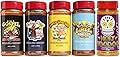
Sets like the Meat Church Fab 5 Gift Box and Rufus Teague BBQ Seasoning Gift Set have built reputations specifically because their ingredient quality is consistently high and their flavor profiles taste like actual spices rather than salt plus coloring.
The Recommendation
Smell the rub before you buy if you can. Buying online, check recent reviews specifically mentioning freshness or aroma, not overall ratings. A 4.8-star product with recent complaints about weak flavor is a red flag. Buying smaller quantities more often keeps spices fresher than a 2-pound jar that lasts a year.
Factor 4: Flavor Profile Matching Your Protein and Wood
What It Actually Means
Smoker spices don't work in isolation. They interact with your wood smoke, your meat fat content, and your cook temperature. A rub loaded with dried herbs like rosemary and thyme pairs beautifully with the mild smoke of apple or cherry wood on chicken. That same rub on a brisket with hickory smoke tastes muddled and medicinal.
Think in terms of intensity layers. Hickory and mesquite are aggressive, bold wood flavors. They pair with bold, simple rubs: salt, pepper, garlic, maybe some chili. Fruit woods are gentle and slightly sweet. They can support more complex, herb-heavy rubs without the smoke overwhelming the spice blend.
Fat content matters too. A heavily marbled pork shoulder can handle a lot of spice because fat carries and moderates flavor. A lean chicken breast has almost no fat buffer, so aggressive heat or heavy garlic in your rub hits the palate harder.
The Spice Rack Co. BBQ Seasonings And Rubs 5 Pack covers multiple flavor profiles specifically so you can match rub to protein. That versatility is genuinely useful if you cook different proteins regularly.
The Recommendation
Match rub intensity to wood intensity. Go simpler when in doubt. A clean salt, pepper, and garlic rub almost never fails on any protein with any wood. Complexity is for when you know exactly what you're doing.
The Features That DON'T Matter
"All-natural" labeling. This is marketing. It has no regulated definition in the US context of spice labeling. A rub can call itself all-natural while still being packed with fillers and anti-caking agents.
Exotic or trendy ingredients. Rubs with coffee, bourbon extract, truffle, or 25-spice blends sound impressive. In practice, subtle flavor additions like coffee or espresso powder can add depth. But most exotic ingredient additions are barely detectable after 6 hours in a smoker. The smoke, the fat, and the salt dominate. Your truffle rub mostly just tastes like smoke.
Fancy packaging. A gift-ready box looks great. It has no relationship to what the rub tastes like. Good rubs come in plain plastic jars and weak ones in gorgeous tins.
"Competition-grade" or "pitmaster" branding. Everyone's a pitmaster in 2026. This phrase means nothing without specifics about what competition and what results.
Buying Checklist
- Check the salt content per serving (aim under 350mg per teaspoon for most applications)
- Look at where sugar appears in the ingredient list. Near the top means high sugar content
- Confirm particle size matches your use case (coarse for long smokes, fine for quick cooks)
- Check the manufacture or best-by date. Avoid anything over 18 months old
- Read 1-star reviews specifically. Look for consistent flavor complaints, not one-off packaging issues
- Smell it if possible. No strong aroma on opening means degraded spices
- Match the rub's dominant flavors to your wood smoke intensity
- Start with less than you think you need. You can always add more before serving, you can't take it back
- For gift sets, verify each jar is a full-size portion, not sample sizes dressed up in a box
- If cooking above 300F, check the sugar content explicitly and consider a low-sugar or sugar-free option
Frequently Asked Questions
How much rub should I actually use per pound of meat?
A general starting point is about 1 tablespoon per pound of meat for most cuts. For large, thick cuts like brisket or pork shoulder, you can go heavier because you want full surface coverage and the interior won't be seasoned at all. For thinner cuts like chicken thighs or ribs, lighter is better. Apply it, press the rub in by hand (don't shake it on from a height), and let it rest uncovered in the fridge for at least 4 hours before cooking.
Should I add oil before applying a dry rub?
A thin coat of oil, mustard is traditional and plain yellow mustard works fine, helps the rub adhere and creates an additional surface layer for bark development. But it's optional. Meat that's been refrigerated overnight already has a slightly tacky surface from moisture evaporation that holds rub well. Mustard helps most on shorter cooks where adhesion is harder; on an overnight-rested brisket it can be skipped.
Can I mix pre-made rubs together to create my own blend?
Yes. The main risk is compounding salt. Two rubs that are both high-sodium will produce an oversalted result. Taste both rubs individually, note the dominant flavors, and mix at roughly 70/30 ratios, one rub as the base and one as an accent, rather than 50/50, which often muddies both profiles.
Does it matter if a rub contains MSG?
No. MSG enhances savory depth, which is exactly what you want in a BBQ rub. The science around MSG is clear: it's safe and effective. Some of the best competition rubs use it. Seeing it in the ingredient list is not a reason to skip a rub.
How do I know if a rub set is worth the price as a gift or for myself?
Do the math per ounce. A $52 gift box like the Meat Church Fab 5 often works out to a fair price per ounce if each jar is full size, typically 12-14 oz combined. A $29.99 set of 20 tiny jars like the Smokehouse Thoughtfully set is more about variety than volume. For serious cooking, you want full-size jars. For gifting or exploring flavors, smaller sets make more sense.
Written by CharredPicks editors. How We Review.
Get Weekly BBQ Tips from CharredPicks
No spam. Just one email a week with grilling tips, recipes, and gear deals.
Products Mentioned