Updated October 10, 2026 · By CharredPicks editors
How to Choose a Smoker Brand



How to Choose a Smoker Brand
Affiliate disclosure: CharredPicks earns from qualifying purchases.
The single most important thing to know about smoker brands: the brand name matters far less than the smoker type and fuel source you choose. A $200 propane vertical smoker from a mid-tier brand will outperform a $500 charcoal offset from a premium brand if it fits your actual cooking style. Figure out your fuel type first. Everything else follows.
Quick Decision Guide
- If you want hands-off smoking with minimal learning curve, look for electric or propane vertical smokers
- If you want maximum smoke flavor and don't mind babysitting temps, prioritize charcoal or wood-burning offsets
- If you only smoke occasionally or for cocktails and small bites, a handheld cold smoker is enough
- If budget is under $250, propane verticals from Cuisinart or Pit Boss deliver the most cooking space per dollar
- If you have a small patio or apartment balcony, look at footprint dimensions, not just price
- If you're cooking for 2 to 4 people weekly, a mid-size vertical propane unit handles 90% of what you'll cook
Fuel Type: The Decision That Actually Shapes Your Experience
What It Actually Means
Every smoker runs on one of four fuel sources: charcoal, wood, propane/natural gas, or electricity. Each one produces different results and demands different time investment from you.
Charcoal and wood give you the most authentic smoke flavor, including real smoke rings on brisket and ribs. But you're managing airflow, adding fuel, and monitoring temps for 6 to 14 hours. Propane smokers maintain temperature more consistently with almost no intervention, though the smoke profile is slightly less aggressive. Electric smokers are the most beginner-friendly, essentially set-and-forget, but they struggle to produce the deep bark crust that serious BBQ people care about. Cold smokers and handheld units like the Breville Smoking Gun work differently altogether, adding cold smoke to already-cooked food or drinks rather than cooking anything.
Knowing which category you're in narrows your brand choices immediately.
The Recommendation
If you're new to smoking, start with propane. Holding 225°F on a charcoal offset takes practice with airflow, and beginners commonly lose the first few cooks to temperature swings. Propane gives you consistent results while you learn what good smoke flavor actually tastes like. You can always upgrade to charcoal later. Going the other direction is harder.
Cooking Capacity: The Spec Most Buyers Get Wrong
What It Actually Means
Brands advertise cooking area in square inches. A 700 square inch smoker sounds massive until you realize your full packer brisket takes up 400 square inches by itself, leaving you almost no room for sides. The shape of the cooking space matters just as much as the number.
Vertical smokers stack multiple racks, which is great for ribs, chicken pieces, and sausages. But a whole packer brisket usually won't fit without folding it, which affects how the flat cooks. Horizontal offset smokers have long, wide chambers that handle big cuts flat. Kamado-style units have wide but shallow cooking surfaces. Always measure your most common cook, then check the actual rack dimensions in the product specs, not the headline square-inch number.
A 36-inch vertical propane smoker typically stacks four removable racks in a tall column. That layout suits several racks of ribs or a mix of chicken thighs and sausages in one session.
The Recommendation
For most backyard cooks feeding 4 to 8 people, 400 to 600 square inches of usable rack space is enough. Don't pay for capacity you won't use. If you find yourself regularly cooking whole briskets for crowds of 10 or more, go horizontal offset and size up. Otherwise a quality vertical in the 36-inch range covers you.
Temperature Control: Where Cheap Smokers Actually Fail
What It Actually Means
Holding a steady temperature across a 6-hour smoke is genuinely hard. Budget smokers fail here in two specific ways: thin steel walls bleed heat in cold or windy weather, forcing constant adjustments, and cheap thermometers mounted on the lid read 30 to 50 degrees higher than actual grate temperature, which means your food is cooking at a different temp than you think.
Propane smokers have a real advantage here because you can dial the burner up or down precisely. The Pit Boss 3-Series Gas Vertical Smoker gives you a 15,000 BTU burner with a dial control, letting you make small adjustments without opening the door. Charcoal and wood smokers require much more active management through vent position and fuel additions. Electric smokers have built-in thermostats but can struggle to hit the higher temps some recipes need.
Regardless of what brand you choose, buy a separate dual-probe digital thermometer. The built-in gauges on smokers are almost universally inaccurate.
The Recommendation
Thicker steel (look for 3mm or above on the firebox) and tight door seals matter more than the brand logo. Press on the door when you're at the store. If it flexes noticeably, heat is escaping the same way. A smoker that holds 225°F steadily in 40-degree weather is worth more than one with premium branding that bleeds heat.
Build Quality Signals Worth Checking
What It Actually Means
"Build quality" is a phrase that means nothing without specifics. These are the specifics to check, in a store or in detailed customer reviews.
Door seals: rubber or silicone gaskets that create a tight seal prevent smoke and heat loss. Many budget units use a simple metal door against a metal frame with no gasket, and you'll see smoke pouring out of the seams during every cook. Hinge quality: cheap hinges allow the door to sag over time, breaking whatever seal existed. Cooking grate material: porcelain-coated steel grates are easier to clean but chip over time, while stainless grates last longer. Ash cleanout or grease management: a tray you can slide out without lifting the entire unit saves real time after every cook. Wheel quality on larger units: solid rubber wheels over thin plastic makes a difference when you're moving 80 pounds across a patio.
The Recommendation
Read 1-star reviews specifically and look for patterns. One person complaining about rust after one season is a red flag. Fifteen people mentioning the same warped door hinge across hundreds of reviews means that's a real design flaw, not user error. The most common failure points are door seals degrading in year two and bottom grates warping at high heat.
Who Should NOT Buy a Full Smoker
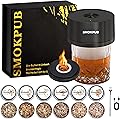
This matters and almost no guide mentions it. If you smoke food fewer than six times per year, a full-size smoker is the wrong purchase. The upkeep, storage space, and rust risk from seasonal use will frustrate you. You're better off with something like the Electric Whiskey Smoker Kit for adding cold smoke to drinks, cheese, or lightly smoked appetizers. It's rechargeable and handheld, which means it stores in a kitchen drawer.
If you primarily grill rather than smoke, the Charbroil Big Easy TRU-Infrared 3-in-1 is more flexible since it handles smoking, roasting, and grilling from one unit. That versatility makes more sense than a dedicated smoker if smoking is one of several things you want to do.
The Features That DON'T Matter
Bluetooth connectivity on entry-level units. Owner reviews of budget Bluetooth smokers often report the connection dropping past about 20 feet or through a wall. Get a third-party probe thermometer with proven connectivity instead.
Side windows. They sound useful for checking food without opening the door. In practice, they fog up with grease and smoke within the first two cooks and become permanently opaque. Many owners stop relying on them.
BTU ratings as a quality signal. More BTUs means more heat potential, not better cooking. A 15,000 BTU burner and a 20,000 BTU burner will both hold 225°F fine. The difference only matters at extreme temperatures most smoking never requires.
The number of included wood chip flavors. Brands love bundling 4 to 6 tiny bags of wood chips as a selling point. Those bags last maybe two sessions. Buy a larger bag of your preferred wood separately and ignore the bundle math.
Buying Checklist
- Decide your fuel type before looking at brands (propane, charcoal, electric, or cold smoke)
- Measure your patio or available storage space before checking cooking area specs
- Look up actual rack dimensions, not just total square inches
- Check steel wall thickness, aim for 3mm or more on the firebox
- Inspect door seal design (gasket vs. bare metal)
- Read 1-star reviews for repeated complaints about the same specific failure
- Budget for a separate dual-probe digital thermometer regardless of brand
- Confirm wheels and handles are rated for the weight of the unit when loaded with food and water trays
- Check whether replacement parts (grates, burners, seals) are actually available for that model
- If you live somewhere cold or windy, look specifically for customer reviews mentioning cold-weather performance
Frequently Asked Questions
Do smoker brands actually matter, or is it mostly marketing?
Brands matter mainly for parts availability and warranty support, not for the smoking results themselves. A Pit Boss and a Cuisinart at the same price point and fuel type will produce very similar food. What you should care about is whether the manufacturer still sells replacement burners or grates three years from now, and whether their customer support actually responds.
How much should I spend on my first smoker?
$200 to $300 is a reasonable starting range for a full-size propane vertical smoker that handles most backyard cooking. Spending less usually means thin steel and door seal problems. Spending more as a first-time buyer usually means paying for features you don't have the experience to appreciate yet.
Is propane or electric better for beginners?
Propane gives you more control over temperature response and typically produces slightly more authentic smoke flavor because the combustion process interacts with the wood chips differently than a heating element does. Electric is more truly hands-off. Both work well.
What wood chips should I use?
Match the wood to the protein. Apple and cherry are mild and sweet, good for poultry and pork. Hickory is strong and classic for ribs and pork shoulder. Mesquite is the most aggressive and works best for beef in short cooks. Start with apple or cherry if you're new, since they're forgiving and rarely overpower.
Can I use a vertical smoker in cold weather?
Yes, but you need to account for heat loss. Below 40°F, expect your smoker to use more fuel and take longer to reach target temperature. Some vertical propane smokers have insulated walls that help significantly. Check customer reviews from buyers in northern states or Canada specifically for cold-weather performance data before buying.
Written by CharredPicks editors. How We Review.
Get Weekly BBQ Tips from CharredPicks
No spam. Just one email a week with grilling tips, recipes, and gear deals.
Products Mentioned
Online Shopping for Kitchen Utensils & Gadgets from a great selection at everyday low prices. Free 2-day Shipping with Amazon Prime.