Updated March 11, 2026 · By Jake Embers
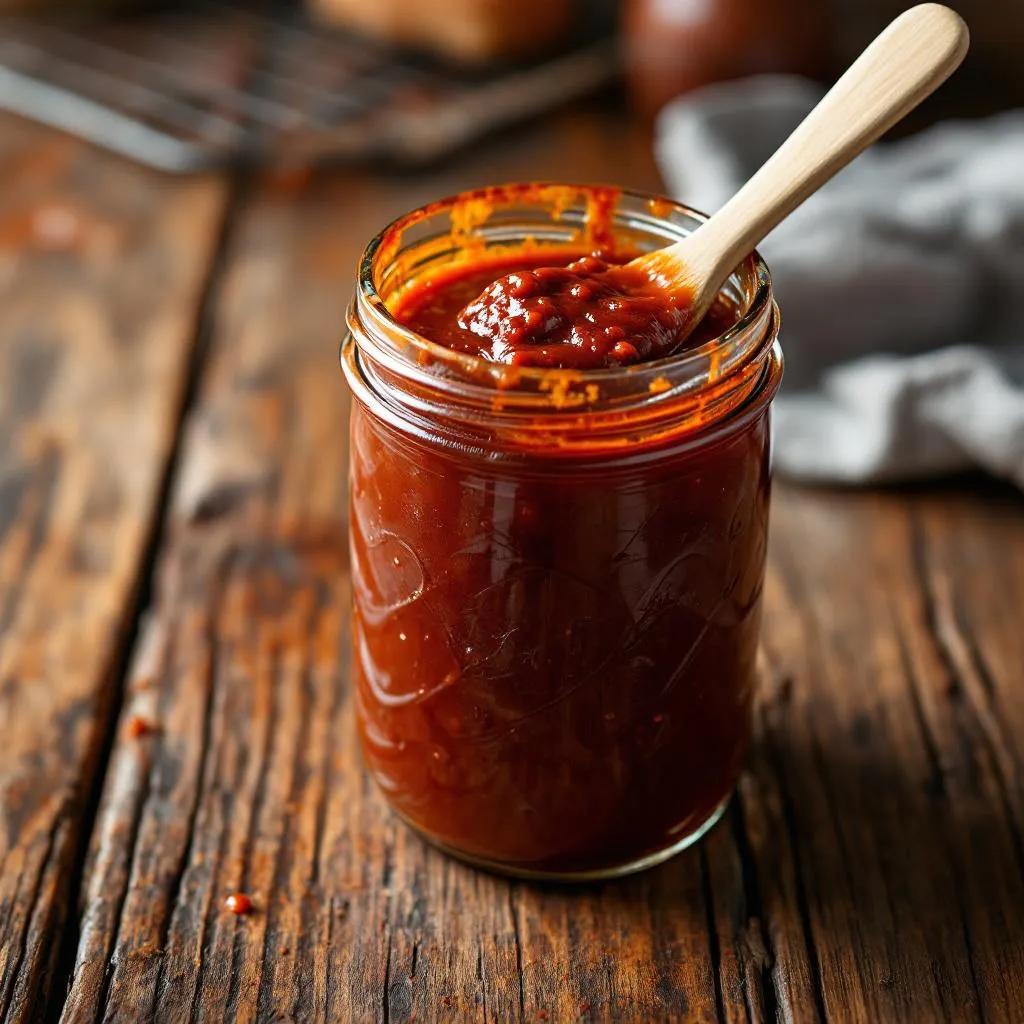
Homemade BBQ Sauce: 3 Regional Styles
I still remember the first time I tasted my own homemade BBQ sauce.
Picture this: I'm standing over my old Weber Original Kettle Charcoal Grill with a rack of ribs that had been smoking for 4 hours. I brushed on my first-ever Kansas City style sauce attempt and took a bite. Game over. Every store-bought bottle in my fridge suddenly tasted like liquid candy with zero complexity.
That was eight years ago, and I've been perfecting these three regional styles ever since. Each one tells a different story about American BBQ.
Prep Time: 15 minutes
Cook Time: 25 minutes
Total Time: 40 minutes
Servings: Makes about 3 cups total (1 cup per style)
Difficulty: Easy
What You'll Need
Kansas City Style:
- 1 cup ketchup
- 1/4 cup apple cider vinegar
- 1/4 cup brown sugar, packed
- 2 tablespoons molasses
- 1 tablespoon Worcestershire sauce
- 1 teaspoon liquid smoke
- 1 teaspoon garlic powder
- 1 teaspoon onion powder
- 1/2 teaspoon smoked paprika
- 1/4 teaspoon cayenne pepper
Carolina Style:
- 1 cup apple cider vinegar
- 2 tablespoons brown sugar
- 1 tablespoon ketchup
- 1 teaspoon red pepper flakes
- 1 teaspoon salt
- 1/2 teaspoon black pepper
- 1/2 teaspoon garlic powder
- 1/4 teaspoon cayenne pepper
Texas Style:
- 1/2 cup beef broth
- 1/4 cup apple cider vinegar
- 2 tablespoons Worcestershire sauce
- 2 tablespoons butter
- 1 tablespoon brown sugar
- 1 teaspoon garlic powder
- 1 teaspoon onion powder
- 1/2 teaspoon black pepper
- 1/2 teaspoon salt
- 1/4 teaspoon cayenne pepper
You Don't Need Much Equipment
Three medium saucepans if you're making all three styles at once. A whisk for blending. A wooden spoon for stirring. Mason jars for storage.
That's it. I tried making sauce with fancy copper pans once and couldn't tell the difference. Save your money for better charcoal instead.
Instructions
For Kansas City Style:
1. Build your base
Combine ketchup, apple cider vinegar, brown sugar, and molasses in a medium saucepan over medium heat. Whisk constantly for 2-3 minutes until the sugar dissolves completely. Don't rush this step or you'll have gritty sauce.
2. Add the flavor layers
Stir in Worcestershire sauce, liquid smoke, garlic powder, onion powder, smoked paprika, and cayenne. The kitchen should smell like a BBQ joint at this point.
3. Simmer to perfection
Bring to a gentle simmer and reduce heat to medium-low. Let it bubble lazily for 12-15 minutes, stirring every 3-4 minutes. The sauce is ready when it coats the back of a spoon and looks glossy.
For Carolina Style:
1. Heat the vinegar base
Heat vinegar in a medium saucepan over medium heat until it just starts to steam. Don't boil it hard or you'll cook off that tangy bite that makes Carolina sauce special.
2. Dissolve the sugar
Whisk in brown sugar until completely dissolved, about 1-2 minutes. The mixture looks thin now, but that's exactly what you want for competition-style smoked ribs.
3. Finish with spices
Add ketchup, red pepper flakes, salt, black pepper, garlic powder, and cayenne. Simmer on low heat for 8-10 minutes, stirring occasionally. Keep it thin and pourable.
For Texas Style:
1. Warm the liquid base
Heat beef broth in a medium saucepan over medium heat. Add vinegar and Worcestershire, whisking to combine.
2. Mount with butter
Add cold butter and whisk until it melts completely. This creates the silky texture that makes Texas mop sauce perfect for basting burnt ends during the cook.
3. Season and reduce
Add brown sugar, garlic powder, onion powder, black pepper, salt, and cayenne. Simmer for 6-8 minutes until slightly reduced. The finished sauce should brush on easily but pack serious flavor.
4. Cool and store
Let all three sauces cool before transferring to containers. They'll keep in the fridge for up to two weeks.
What I've Learned After Hundreds of Batches
Start conservative with heat. My first Carolina sauce could've been used as pepper spray. I learned to build heat gradually, tasting as I go.
Don't rush the simmer. High heat makes Kansas City sauce bitter and breaks the emulsion in Texas mop. Low and slow applies to sauce making too.
Make these a day ahead when possible. The flavors marry overnight and taste significantly better. I always make sauce the evening before big cookouts now.
After burning through three Weber Rapidfire Chimney Starters over the years (they eventually rust out), I've learned that consistent fire management makes better BBQ than any sauce can fix. But these three regional styles can definitely elevate good meat to great BBQ.
Who Should Skip This
Skip the Kansas City recipe if you hate sweet sauces. It's molasses-forward and thick. Skip Carolina if you can't handle vinegar tang. Skip Texas mop if you don't cook beef regularly, since it's specifically designed for brisket and beef ribs.
Also, if you're perfectly happy with store-bought sauce, don't bother. Making your own only ruins you for commercial bottles forever.
Common Pitfalls I've Seen
Using cheap ketchup in Kansas City sauce produces flat, overly sweet results. Spend the extra dollar on Hunt's or Heinz.
Boiling Carolina sauce too hard drives off the vinegar's punch. Keep it at a gentle simmer and taste frequently.
Making Texas mop too thick defeats its purpose. This should flow easily from a brush. If it's too thick, thin with beef broth, not water.
Not having the right tools. A good instant-read thermometer like the TempPro TP20 helps you nail the perfect meat temperature to pair with these sauces. Check out our guide on why you need a meat thermometer for more details.
Regional Pairing Guide
Kansas City sauce belongs on ribs and chicken. The thick, sweet profile complements the smoky char from the perfect dry rub for ribs.
Carolina sauce was born for pork. It cuts through rich fat and adds brightness to pulled pork and pork shoulder.
Texas mop sauce lives for beef. Use it during cooking to keep brisket moist, then serve extra on the side.
These aren't hard rules, but they're based on centuries of regional BBQ tradition. Respect the tradition, then experiment from there.
Storage and Shelf Life
All three sauces keep for 2-3 weeks refrigerated in sealed containers. The vinegar in Carolina sauce acts as a natural preservative, so it lasts longest. I've never had any go bad before we finished them, honestly.
Mason jars work great for storage. Label them clearly because Texas mop and Carolina sauce look surprisingly similar in the fridge.
FAQs
Can I make these sauces without cooking them?
You can mix ingredients cold, but cooking melds flavors and removes the raw edge from garlic and onion powder. Carolina sauce benefits least from cooking, but even 5 minutes of gentle heat improves it significantly.
Which style works best for beginners?
Kansas City is most forgiving and closest to commercial sauces. Carolina has the strongest flavor profile and might shock people expecting sweet sauce. Texas mop is simplest to make but requires understanding when and how to use it.
Can I double or triple these recipes?
Absolutely. I often triple the Kansas City recipe since it disappears fastest at cookouts. Just maintain the same cooking times and heat levels.
What if I don't have liquid smoke for the Kansas City style?
Skip it rather than substituting. The sauce will still be excellent, just less smoky. You can always add smokiness through your cooking method instead. Our guide on BBQ tools every beginner actually needs covers other ways to add smoke flavor.
How do I fix sauce that's too salty?
Add more of the sweet elements (brown sugar, molasses) and a splash of vinegar to balance. For Carolina sauce, add more vinegar and a pinch of sugar. For Texas mop, thin with unsalted beef broth.
Get Weekly BBQ Tips from Jake
No spam. Just one email a week with grilling tips, recipes, and gear deals.