Updated May 9, 2026 · By Jake Embers
Best Wood for Smoking Tuna Step-by-Step Guide (2026)



Best Wood for Smoking Tuna Step-by-Step Guide (2026)
By Jake Embers | Updated 2026
Affiliate disclosure: CharredPicks earns from qualifying purchases.
Alder is the best wood for smoking tuna. It burns clean, produces a light smoke that complements tuna's natural richness without burying it, and it has been the go-to for Pacific Northwest fish smoking for decades. Cherry and applewood are excellent runners-up. Strong woods like hickory or mesquite will overpower tuna completely, period. Stick to mild fruitwoods or alder and you'll get a clean smoke ring and moist, flaky results every time.
What You'll Need
- Tuna fillets or steaks (at least 1 inch thick works best)
- Alder, cherry, or applewood chunks or mini splits (kiln-dried is non-negotiable, more on that below)
- Smoak Firewood Cooking Wood Mini Splits in Red Oak, 8-inch pieces as a backup wood option if alder is unavailable locally
- A smoker or grill capable of holding 180-225°F
- Instant-read thermometer
- Dry brine or wet brine ingredients (kosher salt, brown sugar, optional soy sauce)
- Wire rack or grill mat
- Paper towels
- Plastic wrap or a covered container for brining
Step-by-Step Guide
Step 1: Choose the right wood for tuna specifically
Tuna is oily and assertive on its own. That means the wood you pick needs to complement it, not compete. I burned through three batches before figuring this out the hard way, turning a beautiful fillet into something that smelled like a tire fire.
Alder is my first choice, always. It produces a pale, delicate smoke with a slightly sweet, earthy finish. Cherry is second. It adds a mild fruity sweetness and a beautiful mahogany color to the outside of the fish. Apple is third and slightly sweeter than cherry.
Avoid mesquite entirely. It burns hot and bitter and will make your tuna taste like an ashtray. Hickory and oak are not good options for tuna. I have used the Smoak Firewood Red Oak mini splits for heartier fish and it works, but for delicate tuna I always come back to alder or cherry. The smoke from oak is just too aggressive for something this delicate.
Pro tip: If you can only find pellets locally, use alder or cherry pellets specifically labeled for fish. Most "seafood blend" pellets are alder-based.
Step 2: Brine the tuna for at least 4 hours
Skipping the brine is the single biggest mistake I see. Tuna has enough fat to handle the smoke, but without a brine it dries out fast and the smoke flavor never penetrates past the surface.
My standard dry brine for tuna: 2 parts kosher salt to 1 part brown sugar. Some people add 1 tablespoon of soy sauce per pound of fish for umami depth and I love that variation. Coat every surface of the tuna evenly, place it on a wire rack over a sheet pan, cover loosely with plastic wrap, and refrigerate for 4 to 8 hours. Thicker cuts need closer to 8. Thin steaks under an inch can get away with 4 hours.
After brining, rinse the fish under cold water and pat completely dry with paper towels. This is not optional. The surface needs to be dry before smoking.
Step 3: Form the pellicle
This step gets skipped constantly and it genuinely matters. After rinsing and patting dry, place the tuna back on the wire rack uncovered in the refrigerator for 1 to 2 hours, or at room temperature for 45 minutes in a well-ventilated spot.
The surface of the fish will develop a slightly tacky, shiny film. That is the pellicle and it is what allows smoke to adhere properly. Without it, the smoke beads off and you end up with pale, under-flavored fish. After 20+ cooks I can tell just by touch whether the pellicle has formed. It should feel slightly sticky and dry at the same time.
Pro tip: A small fan blowing gently across the fish speeds up pellicle formation significantly.
Step 4: Set up your smoker at the right temperature
Low and slow matters for tuna, but not as low as brisket. You are targeting 180°F to 200°F for a proper hot smoke. I usually run mine at 185°F.
Get your smoker stable at that temperature before the fish goes on. Temperature swings are bad for fish because tuna proteins tighten fast and unevenly if the heat fluctuates. If you are using a charcoal setup, build a small bed of coals and add just 1 to 2 wood chunks, not logs, not a pile. You want a thin blue smoke coming from the vent, not billowing white clouds. White smoke is acrid and will make your tuna bitter.
Step 5: Add your wood and place the tuna
Once your smoker is holding steady at 180 to 200°F with thin blue smoke, place your tuna fillets directly on the grate or on a grill mat. Leave at least 1 inch of space between pieces for airflow.
Add one fist-sized chunk of alder or cherry wood to the fire. For a standard 1.5-pound fillet, that is all you need. More wood does not mean more flavor. It means over-smoked, bitter fish. I learned this expensively with a beautiful yellowfin I over-smoked into something that tasted like a campfire.
Close the lid and resist the urge to check constantly. Every lid lift drops the temperature and adds time.
Step 6: Monitor internal temperature, not time
Cook time varies based on thickness, fat content, and ambient temperature. Do not go by time alone. Pull out your instant-read thermometer and start checking after 45 minutes.
Target internal temperatures:
- 140°F for traditional smoked tuna that is fully cooked and shelf-stable for a few days
- 125 to 130°F for a medium center, similar to a seared tuna steak, moist and almost silky
I prefer 130°F personally. The texture at that temperature is extraordinary. The smoke ring is visible, the bark has a light bite to it, and the interior is still moist enough that it flakes slowly rather than crumbling apart. If you are making smoked tuna for salads or sandwiches, 140°F gives you a firmer, drier product that holds up better.
Pro tip: Insert the thermometer into the thickest part of the fillet from the side, not straight down, for the most accurate reading.
Step 7: Rest and serve
Pull the tuna when it hits your target temperature and let it rest on the rack for 10 minutes before cutting. The internal temperature will carry over 3 to 5 degrees. Juices redistribute during this rest and the smoke flavor mellows slightly, which is a good thing.
Smoked tuna at this point will have a dark amber exterior, a visible smoke ring maybe 4 to 6mm deep on a fatty cut, and an interior color ranging from deep pink to light tan depending on the species. Bluefin and yellowfin stay pinker. Albacore tends to go more ivory.
Serve immediately or refrigerate tightly wrapped for up to 5 days. The smoke flavor deepens noticeably on day two.
Common Mistakes to Avoid
- Using green or unseasoned wood. Green wood creates dirty smoke loaded with moisture and compounds that make fish taste harsh and acrid. Always use kiln-dried wood. The Smoak Firewood mini splits are USDA certified kiln dried, which is exactly what you want.
- Skipping the pellicle step. I already said this but it keeps biting people. No pellicle means smoke slides right off the fish. The difference in finished flavor is dramatic and obvious.
- Using too much wood. One chunk is almost always enough for a full slab of tuna. Two is the maximum for a very long smoke on a large cut. More than that and you are ruining it.
- Smoking at too high a temperature. Above 225°F and tuna tightens up fast, loses fat quickly, and comes out dry and chalky. The window of 180 to 200°F exists for a reason.
Frequently Asked Questions
Can I use hickory wood for smoking tuna?
No. Hickory is a medium-to-heavy smoke wood and it dominates the delicate flavor of tuna. If you already have hickory and nothing else, use a very small piece and keep the smoke time short, under 90 minutes max. Otherwise, alder or cherry will serve you much better.
How long does it take to smoke tuna?
At 185°F, a 1-inch thick tuna steak usually takes 60 to 90 minutes to reach 130°F internal. A thicker fillet around 1.5 to 2 inches will take 90 to 150 minutes. Always go by temperature, not time.
Do I need to brine tuna before smoking it?
Yes. Brining draws moisture into the fish before the heat pushes it out. Without it you end up with dry, crumbly smoked tuna. Even a quick 4-hour dry brine makes a noticeable difference in texture and flavor penetration.
What is the difference between hot smoking and cold smoking tuna?
Hot smoking at 180 to 225°F fully cooks the tuna and gives you a flaky, firm product. Cold smoking below 90°F is done for days and produces a silky, cured product similar to lox. Cold smoking tuna requires a proper setup and significant food safety knowledge. For most home cooks, hot smoking is the right starting point.
Can I buy quality smoked fish to compare against my homemade results?
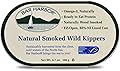
Absolutely. I use store-bought smoked fish as a benchmark when I am dialing in a new setup. The Bar Harbor Natural Smoked Wild Kippers (4.5 stars across 565 reviews) are a solid alder-smoked reference point. The Bar Harbor Wild Herring Fillets with Cracked Pepper are also worth trying to understand what a clean, controlled wood smoke tastes like on oily fish.
Wrapping Up
Start with alder, brine your fish, form the pellicle, and hold your temperature steady at 185°F. Those four things cover 90% of what separates good smoked tuna from great smoked tuna. Once you have that dialed in, check out my guide on the best smokers for fish if you want to upgrade your setup.
Related Reading
- 5 Best Wood Chips for Smoking Ribs (2026)
- Best Wood Chips and Pellets for Smoking
- Best Wood Chips for Smoking Pulled Pork 2026: Western 6-Pack vs Western 4-Pack vs Mr. Bar-B-Q vs Breville
This guide is based on Jake Embers's experience. About CharredPicks.
Get Weekly BBQ Tips from Jake
No spam. Just one email a week with grilling tips, recipes, and gear deals.
Products Mentioned