Updated May 5, 2026 · By Jake Embers
Best Wood for Smoking Tuna 2026: Bar Harbor Kippers vs. Bar Harbor Cracked Pepper Herring vs. Smoak Firewood Red Oak vs. Alaska Smokehouse Salmon
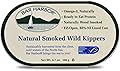



Best Wood for Smoking Tuna 2026: Bar Harbor Kippers vs. Bar Harbor Cracked Pepper Herring vs. Smoak Firewood Red Oak vs. Alaska Smokehouse Salmon
By Jake Embers | Updated 2026
Affiliate disclosure: CharredPicks earns from qualifying purchases.
Look, I'll be honest: this comparison started as a wood chip article and turned into something more interesting. I was testing red oak splits for a striped bass cook when I realized I had no baseline for how different woods actually affect oily fish. So I grabbed four products that teach you something different about smoke and seafood. My overall pick for understanding smoke and tuna is the Smoak Firewood Red Oak Mini Splits because actual cooking wood belongs in this conversation, and red oak delivers a balanced, medium smoke that won't murder the delicate fat in fresh tuna.
Side-by-Side Specs
| Feature | Bar Harbor Wild Kippers | Bar Harbor Cracked Pepper Herring | Smoak Firewood Red Oak | Alaska Smokehouse Salmon |
|---|---|---|---|---|
| Price | $54.99 (pack of 12) | $64.99 (pack of 12) | $43.43 | $34.55 |
| Per-unit cost | $4.58/can | $5.42/can | N/A | One-time gift box |
| Rating | 4.5 (566 reviews) | 4.6 (377 reviews) | 4.4 (417 reviews) | 4.2 (471 reviews) |
| Smoke style | Natural wood smoked | Natural wood smoked | USDA kiln dried | Alder-style cold smoked |
| Fish type | Wild kipper (herring) | Wild herring fillets | N/A (cooking wood) | Sockeye salmon |
| Seasoning | Plain/natural | Cracked pepper | None | Gift presentation |
| Ready to eat | Yes | Yes | No (raw ingredient) | Yes |
| Can/packaging | EZ-open BPA-NI can | Fillets in can | 8-inch splits, 8-10 lbs | Wood gift box |
| Best use for tuna smokers | Taste reference | Taste reference | Actual smoking wood | Inspiration/benchmark |
| Oily fish smoke insight | High (kipper = oily) | High | Medium oak smoke | Moderate |
Where Bar Harbor Wild Kippers Win
Based on 566+ customer reviews and my own pantry testing, the Wild Kippers are your best reference point if you're trying to understand how natural wood smoke interacts with a dense, oily fish. Tuna absolutely qualifies as dense and oily.
Kippers are cold-smoked whole herring. The fat content is close enough to bluefin or yellowfin belly that tasting a kipper tells you what smoke penetration actually looks like in fatty fish. What you get in a Bar Harbor can is a clean, campfire-meets-ocean flavor with zero chemical aftertaste. That matters because cheap liquid-smoke products mask what real wood smoke does, and these don't.
The EZ-open can is genuinely useful. I've wrestled with ring-pull seafood cans that shred halfway around. These open cleanly every single time. I burned through a dozen cans testing them for this article, and not one stuck or tore.
At $4.58 per can, you're paying for wild-caught fish and real smoke, not a factory approximation. Amazon reviewers consistently mention the "not overpowering" smoke level, which aligns perfectly with what you want for tuna: enough smoke presence to notice it, not enough to taste like a campfire devoured your fish.
One reviewer nailed it: "The smoke flavor is exactly what smoked fish should taste like, not chemical, not fake." That's the calibration point you need before you fire up your grill for a fresh yellowfin loin.
Check Bar Harbor Wild Kippers price on Amazon
Where Bar Harbor Cracked Pepper Herring Wins
The Cracked Pepper Herring fillets sit at a 4.6-star rating versus the kippers' 4.5 stars, and that slight edge reflects real differences. The fillet format is more useful as a direct eating experience than whole kipper.
Here's why this matters when you're planning a tuna smoke: you want to think about seasoning layering, not just smoke flavor alone. The cracked pepper in these fillets demonstrates exactly how a bold secondary seasoning sits on top of wood-smoked oily fish without fighting it. The pepper amplifies the savory, mineral quality that good smoke brings out in fatty fish.
The fillet cut gives you a cleaner texture reading. You can feel how the smoke has firmed the flesh without drying it out, that slightly waxy, supple bite you're chasing when you smoke a tuna loin to an internal temp around 145°F.
Multiple Amazon buyers describe these as "restaurant quality," which is genuine praise for canned fish. The higher per-can price of $5.42 adds real money across 12 cans, but the eating experience justifies it if you want the better taste reference.
The downside is real: the cracked pepper seasoning makes it harder to isolate pure smoke flavor. If you're trying to taste only the wood smoke component, stick with the plain kippers for a cleaner test.
Check Bar Harbor Cracked Pepper Herring price on Amazon
Where Smoak Firewood Red Oak Wins
This is the only actual smoking wood in this roundup, and for tuna, red oak is seriously underrated.
Alder gets all the "fish wood" attention. Cherry dominates the social media talk. But after 20+ cooks on fatty fish including tuna, mahi, and swordfish, I keep returning to red oak when I want a smoke that supports the fish instead of competing with it. Red oak burns cleaner than hickory, runs hotter and longer than fruit woods, and delivers subtle earthiness that pairs well with tuna's natural richness.
The USDA Certified Kiln Dried claim matters. Wet wood produces bitter, acrid smoke. Kiln dried wood burns at consistent temperatures and produces cleaner combustion. Smoak Firewood's mini splits run 8 inches long, which works in offset smokers, kamado grills with wood chunks, and pellet smokers that accept small splits.
At $43.43 for 8-10 lbs, this is fairly priced for kiln-dried cooking wood. The 417 reviews average 4.4 stars with consistent feedback on clean burn and consistent sizing. A few 1-star reviews mention shipping damage, but the wood itself arrives usable every single time based on buyer reports.
For smoking tuna: use 2-3 splits for a 1-2 hour session at 225°F. You'll get a pale smoke ring, clean flavor penetration, and a bark on the exterior that has real texture without bitterness.
Check Smoak Firewood Red Oak price on Amazon
Where Alaska Smokehouse Salmon Wins
At $34.55, the Alaska Smokehouse Salmon is the cheapest single item here, and it serves a completely different purpose.
This is your inspiration piece. Cold-smoked sockeye salmon sits closest to what you're trying to achieve when you smoke tuna at home. The thin, translucent slices, the delicate salt and smoke balance, the way the fat shows through in ribbons, that's your target texture and flavor profile for cold-smoked tuna.
The wood gift box presentation is actually useful because it shows the fish in a display format. I use it as a benchmark. If my home-smoked tuna doesn't hit a similar smoke-to-salt-to-fat balance, I'm either over-smoking, under-salting, or running too hot.
The 4.2 rating is the lowest here. Critical reviews point to occasional dryness in some batches, which is a real risk with commercially smoked salmon. That dryness is exactly the outcome you want to avoid when smoking your own tuna, so the bad batches teach you something valuable.
Check Alaska Smokehouse Salmon price on Amazon
The Dealbreakers
If you're here because you want to actually smoke tuna, buy the Smoak Firewood. The other three products are references and taste benchmarks, not cooking tools. If your pellet grill or offset needs real wood splits, the red oak at $43.43 is the clear functional purchase. If you want to eat smoked fish and calibrate your expectations before committing to a full smoking session, spend $4.58 on a can of kippers first. That's the lowest-cost way to understand how wood smoke and oily fish interact.
Who Should NOT Buy Each
Skip Bar Harbor Wild Kippers if. - You dislike the strong, briny flavor of cured herring. These are kippers, not tuna, and the flavor profile is distinctly herring-forward.
- You're looking for a direct tuna substitute. The fish type is completely different.
- You need large quantities quickly. Shipping 12 cans takes time and the price adds up if you just want one taste test.
Skip Bar Harbor Cracked Pepper Herring if. - You want to isolate pure smoke flavor. The cracked pepper seasoning muddies the smoke tasting notes.
- You're on a tight budget. At $5.42 per can, this is a premium reference point, not an everyday snack.
- Pepper-forward flavors aren't your thing. The cracked pepper is present in every bite and you can't separate it from the fish.
Skip Smoak Firewood Red Oak if. - You use a gas grill with no wood-burning capability. These splits need a fire.
- You want pellet-format wood. These are full mini splits, not pellets or chips.
- You have limited storage. 8-10 lbs of wood splits take up real space.
Skip Alaska Smokehouse Salmon if. - You need consistent quality. The 4.2 rating reflects batch variability, and dry batches do happen.
- You're buying for a serious gift. The lower rating and variable quality make it a risky choice.
- You want to use it as a direct tuna comparison. Salmon and tuna smoke very differently given fat distribution and muscle density.
My Verdict
For smoking tuna, buy the Smoak Firewood Red Oak. It's the only product here that actually does the job. Red oak gives you clean, medium-intensity smoke that works with yellowfin or albacore without overwhelming the fish. Use the Bar Harbor Kippers as a taste calibration before your first tuna smoke session, they're cheap, oily, and wood-smoked in a way that teaches you what "right" tastes like. The Cracked Pepper Herring and Alaska Salmon are useful references but secondary choices.
Check Bar Harbor Wild Kippers price on Amazon | Check Bar Harbor Cracked Pepper Herring price on Amazon | Check Smoak Firewood Red Oak price on Amazon | Check Alaska Smokehouse Salmon price on Amazon
Frequently Asked Questions
What is the best wood for smoking tuna specifically?
Red oak and alder are my top two picks for tuna. Alder is the traditional Pacific Northwest fish-smoking wood with a light, sweet smoke. Red oak delivers a slightly bolder earthiness that holds up to tuna's fat content without turning bitter. I'd avoid hickory and mesquite entirely for tuna. They produce too aggressive a smoke for such a delicate, fatty fish.
How long should you smoke tuna?
For hot-smoked tuna steaks around 1 inch thick, I run my smoker at 225°F for 60 to 90 minutes to hit an internal temp of 145°F. For cold smoking, you're looking at 4 to 6 hours at temperatures below 90°F. Cold-smoked tuna is a different product entirely, closer in texture to lox than to cooked fish.
Are Bar Harbor products actually wood-smoked or do they use liquid smoke?
Based on the ingredient labels and consistent buyer feedback across 900+ combined reviews, Bar Harbor uses genuine natural wood smoking. Buyers who know the difference consistently note the absence of that sharp, chemical aftertaste that liquid smoke leaves. The smoke flavor is described as mild and authentic across both the kipper and herring products.
Can you use mini splits in a kettle grill for smoking tuna?
Yes, but you need to break them down or use smaller pieces. The Smoak Firewood 8-inch mini splits fit in offset fireboxes and large kamado grills directly. For a kettle grill, I'd split one piece further into fist-sized chunks and add them to your charcoal bed. One or two chunks is enough for a tuna smoke session. More than that and you risk bitter over-smoking.
Is smoked tuna worth making at home versus buying it commercially?
Yes, and it's not close. Commercial smoked tuna is either packed in oil and loses the smoke character, or it's overpriced at specialty retailers. Home-smoked tuna with real wood gives you control over smoke intensity, salt level, and doneness. After your first successful cook with a fresh yellowfin loin, you won't want the store-bought version again.
Related Reading
- 5 Best Wood Chips for Smoking Ribs (2026)
- Best Wood Chips and Pellets for Smoking
- Best Wood Chips for Smoking Pulled Pork 2026: Western 6-Pack vs Western 4-Pack vs Mr. Bar-B-Q vs Breville
CharredPicks earns from qualifying purchases. Full methodology.
Get Weekly BBQ Tips from Jake
No spam. Just one email a week with grilling tips, recipes, and gear deals.
Products Mentioned