Updated May 8, 2026 · By Jake Embers
Best Wood Chips for Smoking Beef Jerky (2026)

Best Wood Chips for Smoking Beef Jerky (2026)
By Jake Embers | Updated 2026
Affiliate disclosure: CharredPicks earns from qualifying purchases.
Hickory and cherry are the best wood chips for smoking beef jerky. Hickory delivers that deep, classic smoke flavor that pairs perfectly with beef's natural richness. Cherry adds a mild sweetness and gorgeous mahogany color to the finished strips. For most people, a hickory-cherry blend hits the sweet spot. Mesquite? Skip it for jerky. Five hours of mesquite at low temp tastes like licking an ashtray.
What You'll Need
- A smoker, pellet grill, or charcoal grill with a chip box
- Beef (eye of round, top round, or flank steak work best)
- Wood chips, not chunks. Chips ignite faster at the lower temps jerky needs (160 to 180°F)
- A wire rack or jerky hangers for airflow
- A reliable meat thermometer
- Zip-lock bags for the marinade
- Recommended wood chips:
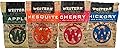
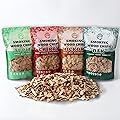
- Western BBQ Smoking Wood Chips Variety Pack (Apple, Mesquite, Hickory, Cherry) for $28.29 -- my go-to starter pack with 4.8 stars across 10,000+ reviews
- Western Wood Smoking Chip Variety Pack of 6 for $36.99 -- best if you want to experiment with more flavor profiles
- Apple, Cherry, Hickory & Oak Variety Pack (1.6 lb each) for $34.96 -- grab this if you smoke in volume
Step-by-Step Guide
Step 1: Pick the Right Wood for Your Flavor Goal
Not all wood chips behave the same on jerky. Jerky smokes low and slow (160 to 180°F) for 4 to 6 hours, which means the smoke has a long time to penetrate the thin slices. Strong woods become overpowering. Mild woods disappear entirely.
Here is how I rank the four main options for beef jerky specifically:
1. Hickory - Bold, bacony, classic. Best for traditional beef jerky flavors. Use it alone or blend it with cherry.
2. Cherry - Mild, slightly sweet, adds deep red color to the surface. A great companion to hickory at a 50/50 ratio.
3. Apple - Light and fruity. Works if you want subtle smoke. Good for teriyaki-style marinades where you don't want the smoke to compete.
4. Mesquite - Too aggressive for a 5-hour jerky smoke. Fine for a 1-hour steak. Skip it here or use it sparingly, a small handful mixed with hickory.
Pro tip: The Western 4-pack variety gives you all four woods to test. I ran side-by-side batches and the hickory-cherry combo won every taste test in my kitchen.
Step 2: Slice and Marinate Your Beef
Before you even think about the smoker, prep matters. Slice beef 1/4 inch thick, against the grain for chewier jerky or with the grain for a tougher, more traditional bite. I freeze the meat for 45 minutes first so it firms up and slices cleaner.
Marinate for a minimum of 8 hours, but 24 hours gives you noticeably deeper flavor penetration. A basic jerky marinade includes soy sauce, Worcestershire sauce, garlic powder, black pepper, and a touch of brown sugar or honey. The sugar caramelizes slightly during smoking and helps the smoke adhere to the surface.
Pat the strips dry with paper towels before loading the rack. Wet surface meat creates steam inside the smoker, which dilutes your smoke flavor and slows the drying process.
Step 3: Soak or Don't Soak Your Wood Chips
This is debated constantly and I'll give you my honest answer: soaking wood chips is mostly unnecessary for jerky.
The argument for soaking is that wet chips smolder and produce more smoke. But wet chips also produce steam, which can soften the jerky surface instead of drying it. At 160 to 180°F, you want a clean, thin smoke and a drying environment.
My current approach: I use dry chips and add them in small amounts every 45 to 60 minutes. About 1/2 cup per addition keeps a consistent thin blue smoke without going heavy and bitter. If your chip tray burns through faster than that, use a foil pouch with a few holes poked in it to slow the burn rate.
Pro tip: Thin blue smoke is your goal. White billowing smoke means incomplete combustion, and it adds a creosote taste to the jerky. You want to see just a wisp curling out of the vent.
Step 4: Set Up Your Smoker Temperature Zone
Target 160 to 175°F. This is the sweet spot where the beef dries out properly and food safety is maintained, since the USDA recommends heating jerky to 160°F internally before or during drying.
On an electric smoker, dial it in and let it preheat for 20 minutes before loading. On a charcoal kettle, bank the coals to one side and place the jerky strips on the opposite side. Use the vents to control temperature and crack the top vent slightly to encourage airflow and moisture escape.
Add your first handful of chips, about 1/2 cup, right when you load the meat.
Step 5: Load the Rack and Monitor Smoke Delivery
Lay strips in a single layer with at least 1/2 inch of space between each piece. Crowded strips don't dry evenly and the surfaces touching each other stay soft and pale.
Check the smoke every 45 minutes. Add another small handful of chips each time you check. After 2 hours, I stop adding chips entirely and let the smoker finish the drying without additional smoke. Three hours of active smoking is plenty for a 1/4-inch slice, and more than that brings bitter compounds into the bite.
Pro tip: Flip the strips once at the 2-hour mark for even drying on both sides.
Step 6: Test for Doneness (Not Just Time)
Time is a guideline, not the finish line. Properly smoked beef jerky should bend without snapping in half, show no raw or shiny spots in the center when you tear a strip, and feel dry and leathery on the outside but not brittle.
Total smoke time typically runs 4 to 6 hours depending on thickness, humidity, and your specific smoker. My electric smoker usually hits the sweet spot around 4.5 hours. On my charcoal kettle it takes closer to 6 because temperature fluctuates.
If you want to guarantee food safety, use a meat thermometer and verify an internal temp of 160°F before pulling from the smoker.
Step 7: Rest and Store Properly
Pull the jerky off the rack and let it rest on a paper towel for 30 to 60 minutes at room temperature. This lets the surface firm up fully and allows any remaining moisture to equalize.
Store in an airtight container or zip-lock bags. At room temperature, properly dried jerky lasts 1 to 2 weeks. Refrigerated, it stretches to a month. Vacuum sealed and frozen, up to a year.
Don't seal jerky in an airtight bag while it's still warm. Trapped steam will soften the surface and shorten shelf life.
Common Mistakes to Avoid
- Using mesquite for the full smoke. I made this mistake on my second-ever batch. Five hours of mesquite smoke at 165°F produced jerky that tasted like licking an ashtray. Use it sparingly or skip it entirely for jerky.
- Adding too many chips at once. A full cup of chips dumped in produces heavy white smoke that coats the meat with bitter compounds. Small additions every 45 to 60 minutes keeps the smoke clean and the flavor balanced.
- Skipping the pat-dry step before loading. Wet strips steam instead of dry, giving you soft, pale jerky instead of the firm, mahogany-colored strips you want.
- Pulling jerky based on time alone. Every smoker runs differently. A strip that bends slightly without snapping is your real indicator, not the clock.
Frequently Asked Questions
What is the best single wood chip for beef jerky?
Hickory. It delivers a bold, recognizable smoke flavor that stands up to strong marinades without turning bitter at low temps. If I had to pick one wood and nothing else, hickory wins every time.
Can I mix wood chip flavors for beef jerky?
Yes, and I'd actually recommend it. My favorite combo is 50% hickory and 50% cherry. The hickory gives you depth and the cherry adds a subtle sweetness and improves the color of the finished jerky. The Western 4-pack variety lets you experiment with different ratios easily.
How long should I smoke beef jerky?
Plan for 4 to 6 hours at 160 to 175°F. Thinner slices (3/16 inch) can finish closer to 4 hours. Thicker slices (1/3 inch) might need the full 6. Use the bend test, not just the timer.
Do I need a dedicated smoker for beef jerky or can I use a gas grill?
A gas grill works fine. Use a metal chip box or a foil packet with holes poked in it, placed over one burner on low heat. Put the jerky on the opposite side with the lid closed. You won't get as consistent temps as an electric smoker, but the results are solid.
Should wood chips for jerky be soaked in water first?
I skip soaking for jerky. Dry chips produce cleaner smoke at lower temps. Soaked chips introduce steam that can soften the jerky surface and slow the drying process. Use small, dry amounts added gradually instead.
Wrapping Up
Pick hickory, add some cherry if you have it, go light on the smoke, and let the meat dry fully. After 20+ batches of jerky across different smokers, that formula has never let me down. If you want to experiment with different wood profiles without buying full bags of each, the Western variety packs are genuinely worth the investment. Check out my guide on the best smokers under $300 if you're still figuring out your setup.
Related Reading
- 5 Best Wood Chips for Smoking Ribs (2026)
- Best Wood Chips and Pellets for Smoking
- Best Wood Chips for Smoking Pulled Pork 2026: Western 6-Pack vs Western 4-Pack vs Mr. Bar-B-Q vs Breville
This guide is based on Jake Embers's experience. About CharredPicks.
Get Weekly BBQ Tips from Jake
No spam. Just one email a week with grilling tips, recipes, and gear deals.
Products Mentioned
Buy Western BBQ Smoking Wood Chips Variety Pack (4-Pack) – Apple, Mesquite, Hickory & Cherry – 100% Real Wood – Perfect for Pork, Beef, Chicken, Fish & Vegetables (Variety): Smoker Chips - Amazon.com ✓ FREE DELIVERY possible on eligible purchases
Buy Western Wood Smoking Chip Variety Pack of 6, 180 cu in per Bag: Smoker Chips - Amazon.com ✓ FREE DELIVERY possible on eligible purchases